Road Freight to Uzbekistan from Iran
Among the countries of Central Asia, Uzbekistan is the only destination for which Iranian exporters must transit through a third country, as Iran and Uzbekistan do not share a border. This geographical factor makes shipping goods from Iran to Uzbekistan different from transporting them to neighboring countries such as Turkmenistan or Afghanistan. It requires coordination at two border crossings: first, the Iran–Turkmenistan border and then the Turkmenistan–Uzbekistan border. However, when this transit route is properly managed as part of broader cargo transit in Iran, it remains one of the most cost-effective and reliable options for exporting goods by land to this populous Central Asian market.
Why Does Uzbekistan Remain an Accessible Destination Despite Having No Border with Iran?
Uzbekistan is one of only two double-landlocked countries in the world. This means that it has no direct access to the open sea, and all five of its neighboring countries — Turkmenistan, Kazakhstan, Kyrgyzstan, Tajikistan, and Afghanistan — are also landlocked. This rare geographical situation makes Uzbekistan highly dependent on transit corridors through neighboring countries, particularly Turkmenistan.
For Iranian exporters, this means that every shipment leaving Iran must first enter Turkmenistan through one of Iran's eastern or northeastern border crossings, travel approximately 600 to 900 kilometers through Turkmen territory, and then enter Uzbekistan through one of Turkmenistan's northern border crossings.
One lesser-known technical advantage is that the railway line from Sarakhs, Iran, to Tashkent uses the same 1,520 mm Russian broad-gauge track. Unlike at China's eastern border, where railway bogies must be changed, no wagon unloading or reloading is required along the Turkmenistan–Uzbekistan route. This makes combined rail transportation a competitive option for large shipments originating in Iran.
The dry climate and the fact that parts of the route pass along the Karakum and Kyzylkum deserts also make careful packaging and vehicle selection essential, particularly for temperature-sensitive goods.
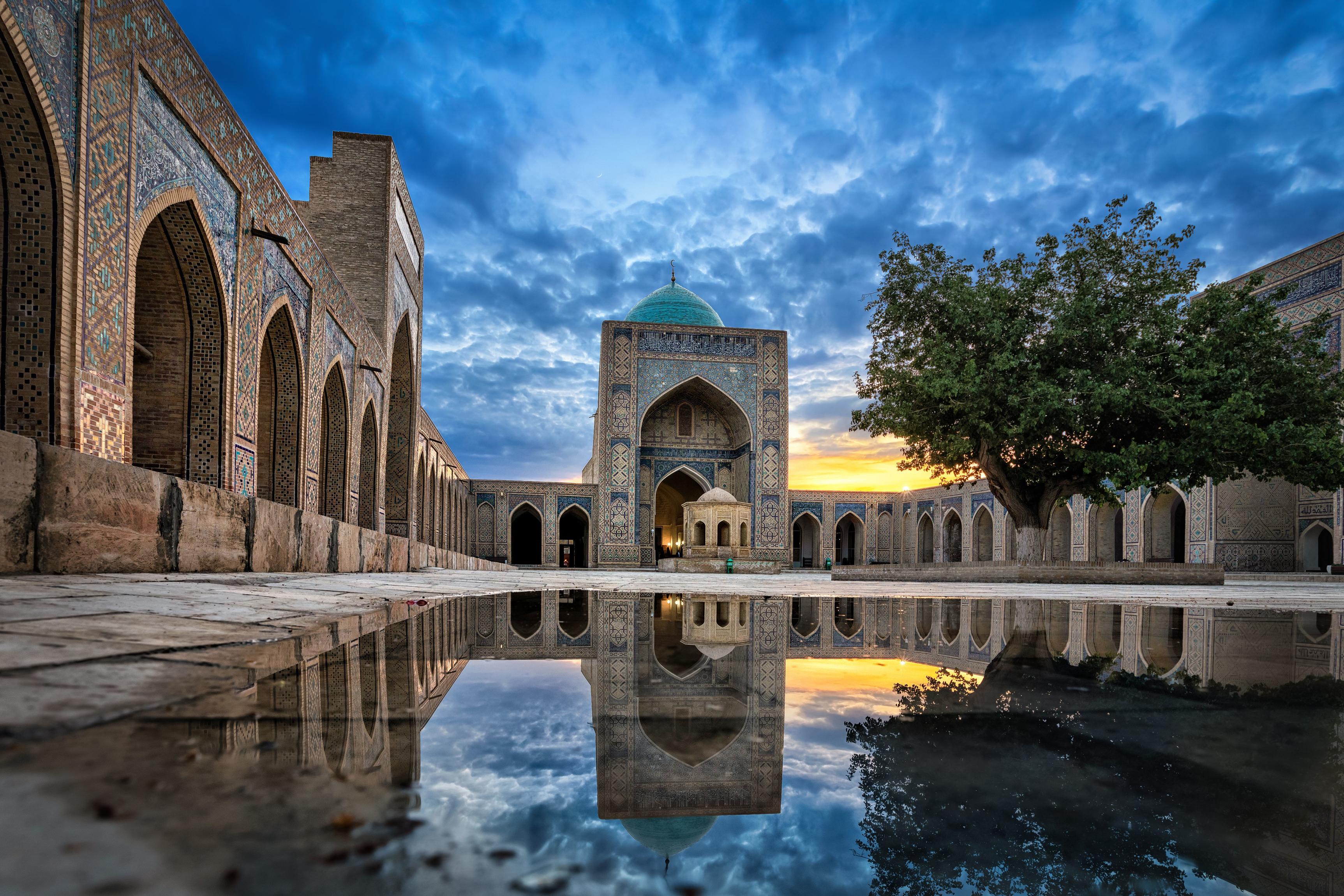
Transit Routes and Key Border Crossings from Turkmenistan to Uzbekistan
After entering Turkmenistan through Sarakhs or Lotfabad from Iran, shipments can reach Uzbekistan through two main border crossings:
Farap (near Turkmenabat): The most important road and rail crossing in eastern Turkmenistan. On the Uzbek side, it connects to Alat, near Bukhara. Most industrial and containerized shipments from Iran pass through this crossing on their way to Bukhara, Samarkand, and eventually Tashkent.
Shavat (near Dashoguz): A northern road crossing leading to Uzbekistan's Khorezm region and cities such as Khiva and Urgench. It is a suitable option for shipments destined for western Uzbekistan rather than the capital.
Choosing between these two crossings depends on more than the geographical distance to the destination. Terminal operating hours, daily customs traffic, and the type of cargo also influence the carrier's final decision.
The Real Advantages of Road Freight to Uzbekistan Compared to Other Modes
Uninterrupted rail transportation without changing track gauge: The identical railway gauge from Sarakhs to Tashkent allows wagons to move directly along the route without unloading and reloading.
Time savings compared to alternative routes: Sea-and-rail routes via southern ports or the Caspian Sea generally take several times longer than the direct land transit route out of Iran.
Delivery to the destination warehouse without multiple intermediaries: Trucks or rail wagons loaded in Iran can continue to Bukhara, Samarkand, or Tashkent without changing vehicles.
Flexibility in combining road and rail transportation: For urgent shipments, the Iran–Turkmenistan section can be completed by road, while the Turkmenistan–Uzbekistan section can be handled by rail to reduce costs.
Goods Commonly Exported to Uzbekistan by Land
Uzbekistan's industrial structure differs significantly from Turkmenistan's, and this is reflected in the composition of its imports from Iran. Commonly transported goods include:
Spare parts and raw materials for automotive production lines, supporting Uzbekistan's active automotive industry
Construction materials and equipment for the construction sector, in line with the country's growing infrastructure projects
Raw materials for the textile industry, complementing Uzbekistan's yarn and fabric production chain
Packaged food products, dried fruits, and fresh produce
Agricultural machinery and irrigation equipment
Documents and Customs Procedures: The Challenge of Dual Transit
Unlike direct exports from Iran to Turkmenistan, which involve only one border customs office after customs clearance in Iran, exports to Uzbekistan require coordination between two separate customs systems.
Commercial Invoice and Packing List: These documents must comply with the requirements of Uzbek customs, not just those of Turkmenistan.
Road or Rail Consignment Note (CMR): The transport document must cover the entire Iran–Turkmenistan–Uzbekistan route, rather than only the final destination.
Transit Permit for Turkmenistan: This is separate from Iran's export authorization and must be obtained before loading.
Certificate of Origin: This document, confirming production in Iran, may be required to qualify for preferential tariff rates at Uzbek customs.
Shipment Registration in Uzbekistan's Customs System: Shipment information must be registered before arrival at the Farap or Shavat border crossing, similar to the advance registration requirement in Turkmenistan.
Factors Determining the Cost of Road Freight to Uzbekistan
Transit fees in Turkmenistan: These charges apply specifically to shipments passing through Turkmenistan and do not apply to direct exports from Iran to that country. They can account for a significant portion of the total transportation cost.
Actual distance within Uzbekistan: The distance to Bukhara is generally shorter than the distance to Samarkand or Tashkent.
Choice of transportation mode: Road, rail, or a combination of both, depending on shipment volume and urgency.
Waiting time at two customs offices instead of one: Delays may occur at both the Turkmenistan exit customs office and the Uzbekistan entry customs office.
Cargo type and special requirements: Certain goods may require specific standards, temperature control, or special permits.
Practical Tips for Exporters Shipping from Iran to Uzbekistan for the First Time
- 01
Arrange the Turkmenistan transit permit in advance, separately from Iran's export documentation.
-
02
Prepare the consignment note and other shipping documents so that Uzbekistan is clearly identified as the final destination, rather than simply showing transit through Turkmenistan.
-
03
Choose between Farap, for shipments to Bukhara, Samarkand, and Tashkent, and Shavat, for shipments to Khorezm, based on the final destination.
-
04
Allow additional time for perishable goods because of the two customs clearance stages, compared with direct exports from Iran to Turkmenistan.
-
05
Work with a transportation company in Iran experienced in coordinating customs procedures in both Turkmenistan and Uzbekistan to help prevent lengthy delays.
Frequently Asked Questions About Road Freight to Uzbekistan
Why do shipments from Iran to Uzbekistan need to transit through Turkmenistan?
Iran and Uzbekistan do not share a land border. The shortest available land route therefore passes through Turkmenistan.
Which Turkmenistan–Uzbekistan border crossing is more suitable for shipments from Iran to Tashkent?
Farap is generally the preferred option for shipments destined for Tashkent because it connects directly to the road and rail corridor linking Bukhara, Samarkand, and Tashkent.
Does obtaining a Turkmenistan transit permit take a long time?
The transit permit is issued separately from Iran's export documentation. It is best to apply for it while preparing the other documents, several days before loading, to avoid delays at the border.
Despite the complexity of dual transit through Turkmenistan, road freight to Uzbekistan remains one of the most cost-effective ways to access the Central Asian market, provided that transit documentation, border crossing selection, and customs schedules are properly managed.
Shahan Kalaban has experience coordinating customs clearance in Iran and customs procedures in Turkmenistan and Uzbekistan. The company manages cargo transport in Iran from loading at the origin to final delivery in Bukhara, Samarkand, or Tashkent, recommending the most suitable route and border crossing for each shipment based on its destination and cargo type.
To request a quote or receive expert advice on road freight to Uzbekistan, cargo transport in Iran, or customs clearance in Iran, contact Shahan Kalaban's specialists.