Road Freight to Kyrgyzstan from Iran
Kyrgyzstan is an interesting exception among Central Asian destinations reached by cargo transport in Iran. Unlike Tajikistan or Uzbekistan, where changing the border crossing does not necessarily change the transit countries, shipments from Iran to Kyrgyzstan follow two fundamentally different routes depending on whether the destination is Bishkek, the capital in the north, or Osh, the country's second-largest city in the south. One route is primarily multimodal, combining sea freight from Iran with transportation through Kazakhstan, while the other is entirely land-based, passing through Turkmenistan and Uzbekistan.
In practice, choosing the right route begins with identifying the final destination within Kyrgyzstan, even before selecting a border crossing out of Iran.
Why Is Kyrgyzstan a Country with Two Distinct Transport Corridors?
More than 90% of Kyrgyzstan's territory is covered by the Tian Shan mountain range. This mountainous landscape effectively divides the country into two relatively isolated regions: the Chuy Valley in the north, where Bishkek is located near the southern plains of Kazakhstan, and the southwestern Fergana Valley, where Osh is situated, geographically much closer to Uzbekistan than to Bishkek.
The road distance between these two cities crosses high mountain passes, some of which face seasonal restrictions. As a result, international transportation from Iran to Kyrgyzstan is generally planned from the outset according to whether the destination is in the north or south, rather than following a single route for the entire country.
Another important detail often overlooked in discussions about Kyrgyzstan is that, alongside Kazakhstan, it is a member of the Eurasian Economic Union (EAEU). This membership can provide documentation advantages for shipments originating in Iran whose final destinations extend beyond Bishkek.
Two Completely Different Routes: Sea and Kazakhstan for Bishkek, Land for Osh
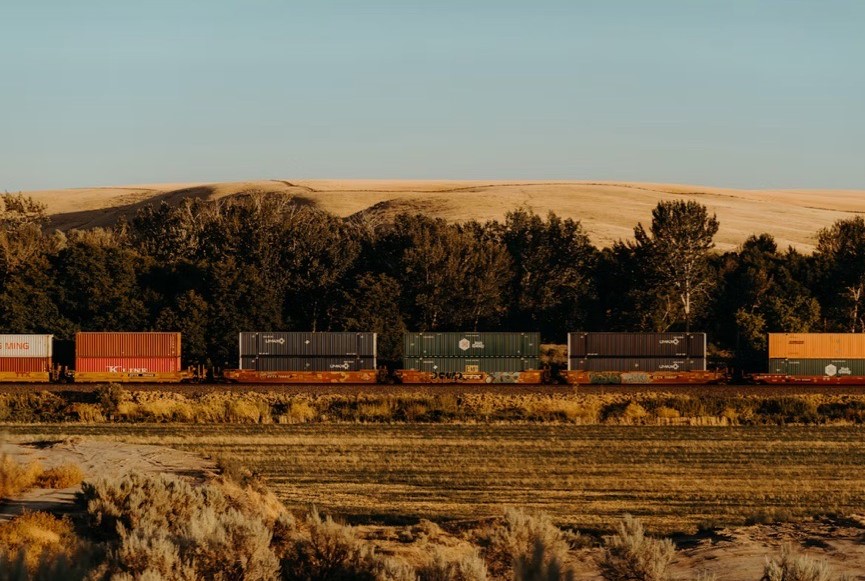
Bishkek route (combined sea and land transportation): Cargo is loaded at Amirabad Port on Iran's Caspian Sea coast and transported by vessel to Aktau Port in Kazakhstan. From there, it continues by rail or truck through Kazakhstan to Bishkek. This multimodal route, beginning with cargo transport in Iran, is a common and cost-effective option for shipments destined for the capital.
Osh route (land transportation only): Cargo leaves Iran and enters Turkmenistan through the Sarakhs border crossing, continues into Uzbekistan, and then travels through the Fergana Valley toward the southwestern Kyrgyz border and the city of Osh. Structurally, this route is similar to the route used to reach Khujand in Tajikistan.
In practice, choosing the route means choosing the destination. For shipments from Iran destined for Bishkek or northern Kyrgyzstan, the sea-and-Kazakhstan route is generally the primary option. For Osh and the south, land transit through Uzbekistan is usually more practical.
The Main Advantages of Each Route
Sea and rail transportation to Bishkek: By avoiding multiple land border crossings, this route can reduce the number of customs stops after cargo transit in Iran and offer competitive costs for larger shipments.
Land transportation to Osh: For urgent or smaller shipments, direct road transportation from Iran through Uzbekistan offers greater flexibility than coordinating port operations.
EAEU membership for destinations beyond Bishkek: Shipments from Iran that continue from Kyrgyzstan to Kazakhstan or Russia may benefit from relevant EAEU documentation and customs procedures.
Major Commodities Exported to Kyrgyzstan
An important factor to consider when planning exports from Iran to Kyrgyzstan is the country's role as a major regional wholesale and distribution hub. A significant share of lightweight imported goods arriving in Bishkek is distributed through the city's wholesale markets to Kazakhstan and even Russia.
As a result, the following products shipped from Iran have relatively steady demand compared with many other regional destinations:
Clothing, textiles, and footwear for Bishkek's wholesale markets
Cosmetics, personal care products, and lightweight household goods
Packaged food and dried fruits
Automotive spare parts for consumers in Osh and southern Kyrgyzstan
Customs Documentation and Formalities: Two Separate Systems for Two Routes
For the Bishkek route: Sea freight documents for Amirabad Port in Iran, a combined sea-and-land transport document for the route to Aktau, and the documents required for entry into Kazakhstan.
For the Osh route: Separate transit permits for Turkmenistan and Uzbekistan, following a documentation process similar to the route to Khujand in Tajikistan, alongside standard customs clearance in Iran before departure.
For both routes: The commercial invoice, packing list, and certificate of origin confirming production in Iran must accurately reflect the final destination — Bishkek or Osh — to avoid discrepancies during customs clearance in Kyrgyzstan.
Factors That Determine the Cost of Shipping Goods to Kyrgyzstan
Final destination within the country (Bishkek or Osh): The primary factor determining the transportation route and overall cost structure.
Port charges on the sea route: Including loading and unloading at Amirabad in Iran and Aktau, as well as inland transportation costs within Kazakhstan.
Two-country transit costs on the land route: Charges associated with transit through Turkmenistan and Uzbekistan to reach Osh.
Shipping season: Mountain road conditions within Kyrgyzstan, particularly on secondary routes, can affect delivery schedules during winter.
Practical Tips for Exporters Shipping Goods from Iran to Kyrgyzstan
- 01
Confirm the shipment's final destination — Bishkek or Osh — before choosing a transportation route out of Iran, as this decision completely changes the transit corridor.
-
02
For goods intended for onward distribution from Bishkek to Kazakhstan or Russia, prepare the documentation in accordance with applicable EAEU regulations from the beginning.
-
03
For the Osh route, arrange transit permits for both Turkmenistan and Uzbekistan simultaneously.
-
04
For regular, high-volume shipments to Bishkek, prioritize the combined sea-and-rail route to reduce the transportation cost per unit.
-
05
Work with a freight forwarder in Iran experienced in both port coordination at Aktau and land transit through Uzbekistan.
Frequently Asked Questions About Shipping Goods from Iran to Kyrgyzstan
Why Is the Route to Bishkek Different from the Route to Osh?
The two cities are located on opposite sides of the Tian Shan mountain range and are geographically closer to different neighboring countries: Bishkek is closer to Kazakhstan, while Osh is closer to Uzbekistan. This geographical difference makes the transportation routes from Iran fundamentally different.
Which Route Is More Cost-Effective for Exports from Iran to Bishkek?
The combined sea-and-rail route from Amirabad Port in Iran to Aktau and then to Bishkek generally offers more competitive costs than an entirely land-based route.
Can the Sea Route Also Be Used for Exports from Iran to Osh?
In practice, it is generally not the preferred option. Osh is located in southern Kyrgyzstan, far from the Kazakhstan corridor, making land transit through Turkmenistan and Uzbekistan a more practical route.
Shipping goods from Iran to Kyrgyzstan does not involve a single standard route. Choosing between the sea-and-Kazakhstan corridor for Bishkek and the land route through Turkmenistan and Uzbekistan for Osh directly affects transportation costs, delivery times, and documentation requirements.
Shahan Kalaban has experience with both routes, including coordination with Aktau Port and customs authorities in Turkmenistan and Uzbekistan. For each shipment, the company recommends a suitable transportation option based on the final destination within Kyrgyzstan and manages the process from cargo transport in Iran to final delivery.
To request a freight quotation or receive expert advice on shipping goods from Iran to Kyrgyzstan, cargo transit in Iran, or customs clearance in Iran, contact the Shahan Kalaban team.